
The story behind the iconic fridge carafe
Køleskabskaraflen er enkel at se på, men der ligger mange overvejelser bag det velkendte design.
Fra de første tanker til det færdige produkt er der arbejdet med alt fra form og funktion til de små detaljer, der gør den nem at bruge i hverdagen.
Bliv klogere på historien og tankerne bag en af Eva Trios ikoniske klassikere.
Da køleskabskaraflen blev lanceret i 2007, var det ikke til at vide, hvilken betydning designet senere skulle få. Med sin karakteristiske hætte var den en anderledes fortolkning af den klassiske vandkaraffel.
Siden lanceringen er mere end 2,5 millioner eksemplarer blevet solgt, og karaflen har vundet flere internationale designpriser. I dag er den blevet et genkendeligt design, der findes i hjem verden over.
Men hvordan opstod idéen til Køleskabskaraflen, og hvilke tanker lå bag designet? Det ser vi nærmere på her.

Praktiske problemer
Mange gode designløsninger tager udgangspunkt i et konkret problem, og køleskabskaraflen er ingen undtagelse. Dengang var det svært at finde en karaffel, der både kunne passe ind i køleskabslågen og fungere godt i hverdagen. Mange havde låg, der dryppede eller skulle åbnes manuelt, mens kondens på ydersiden kunne ende som vand på spisebordet. Samtidig stillede den begrænsede plads i køleskabslågen krav til både karaflens størrelse og form.
Den udfordring tog Claus Jensen og Henrik Holbæk fra Tools Design fat på. Designduoen har gennem årtier skabt prisvindende designs med fokus på at forene funktion, æstetik og innovation - en tilgang, der også skulle blive central for udvikling af køleskabskaraflen.

The inspiration behind the shape
The inspiration for the fridge carafe’s shape came from a familiar piece of Danish kitchen history: the milk bottle. Before milk cartons were introduced in the 1970s, glass milk bottles were a staple in most Danish refrigerators. Their distinctive silhouette became the starting point for the carafe’s cylindrical design, while the gently tapered neck ensures a comfortable and natural grip.
The carafe’s wide opening also makes it easy to add ingredients such as lemon, mint, rosemary, or orange to infuse water with extra flavour. Made from borosilicate glass, the carafe is highly resistant to temperature changes, making it suitable for both hot and cold beverages.
The base also carries a special meaning. Its design is inspired by the ripples created when a droplet breaks the surface of the water. A subtle detail that connects the design back to the carafe’s primary function: holding and serving liquids.
Automatic lid and drip-free pouring lip
Once the shape of the carafe had been finalised, the next challenge was the lid. It needed to keep dust and impurities out while preventing odours from the refrigerator from affecting the contents. At the same time, the carafe had to be easy to pour with one hand, leaving the other free to hold a glass.
The solution was the iconic flip-top lid, which opens automatically when the carafe is tilted. When the carafe is upright, the lid closes securely, while ice cubes and fruit remain inside as the water is poured.
With this functionality in place, Claus Jensen and Henrik Holbæk turned their attention to ensuring that both the lid and the pouring lip remained completely drip-free. This requirement led to one of the carafe’s most significant innovations: a 100% drip-free pouring lip. Particular attention was given to both the shape of the pouring lip and the properties of the stainless steel. Together, they ensure that water flows cleanly from the carafe into the glass, rather than running down the side.
Should a drop remain after pouring, the narrow gap between the glass body and the pouring lip is designed to catch it, allowing it to flow back the next time the carafe is used.
A cover with a purpose
The final challenge was ensuring that the carafe would not leave marks on tables and other surfaces. The solution was the signature neoprene cover.
In addition to giving the carafe its distinctive look, the cover helps maintain the temperature of the contents while absorbing condensation, keeping the table dry even on warm days.
It is often the small challenges of everyday life that inspire the best ideas. That was also the starting point for the fridge carafe. Created with the ambition of solving a number of practical problems, it brought together a series of carefully considered features in a single design, one that continues to stand the test of time.


Seneste blog posts
Historien bag den ikoniske køleskabskaraffel
Den prisvindende køleskabskaraffel er blevet solgt i mere end 2,5 millioner eksemplarer. Dyk ned i den spændende historie bag designprocessen.

Hvad er Multi 5-ply?
Se, hvordan to lag rustfrit stål og tre lag aluminium fordeler varmen fra bund til kant og giver præcis kontrol ved komfuret.

Guide: Sådan vælger du den rigtige stegepande
Hos Eva Trio har vi brugt snart 50 år på at gøre stegepanden bedre. Vi ved altså en ting eller to om de små detaljer, der gør en forskel.

Guide: Sæt farve på bordet med Legio Nova Palette
Med Legio Nova Palette får du syv afstemte farver, der gør det muligt at tilføje præcis det strejf af personlighed, som løfter enhver borddækning.
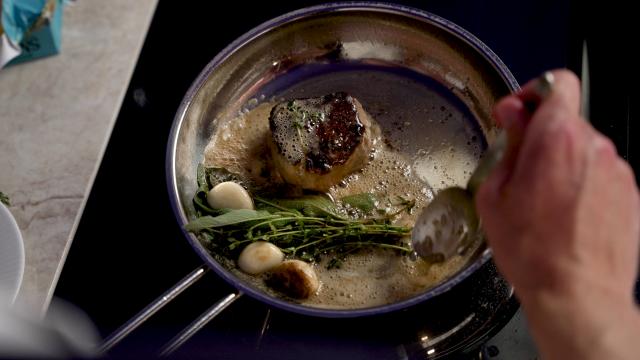
Hemmeligheden ved at stege på stål
Det er slet ikke så svært at mestre stålpanden, som mange gør det til.

Sammen med Det Danske Kokkelandshold
Sammen med Dansk Gastronomisk Union giver vi talenterne de bedste forudsætninger for at udvikle sig, præstere og inspirere på den internationale scene.
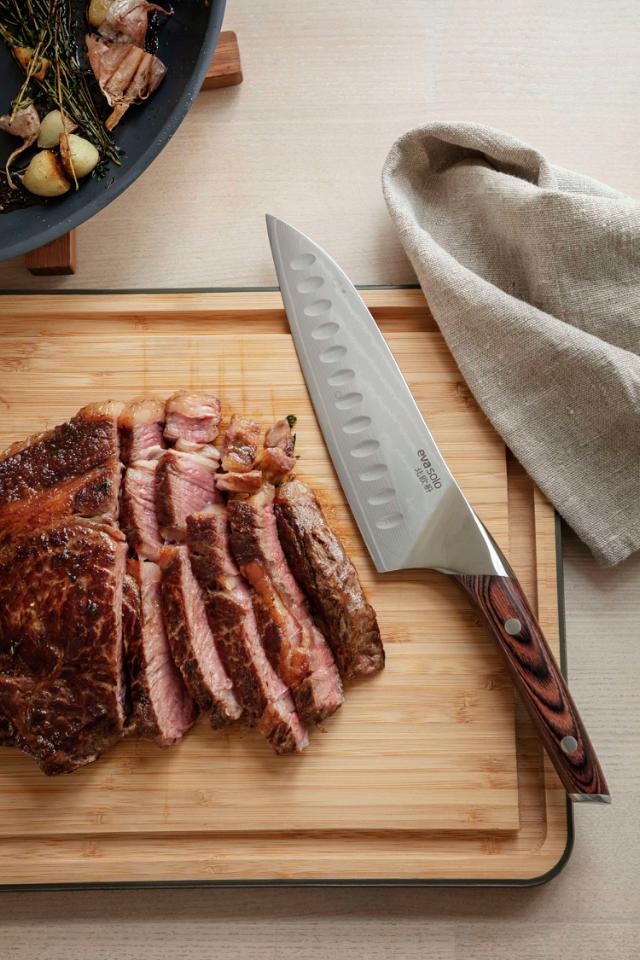
Japansk håndværk møder dansk design
Hak, snit, skær – og mærk, hvordan en god kniv gør arbejdet for dig.
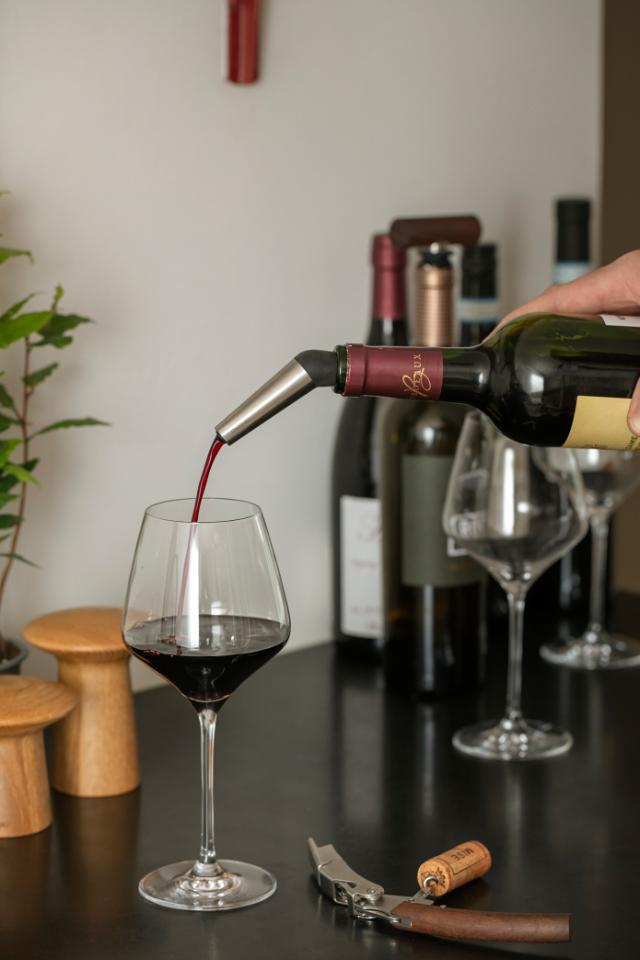
Få det bedste ud af din vin
Du vil hurtigt opleve, hvordan vinen fra Dekanteringsproppen føles mere rund, blød og åben – både i duft og smag.
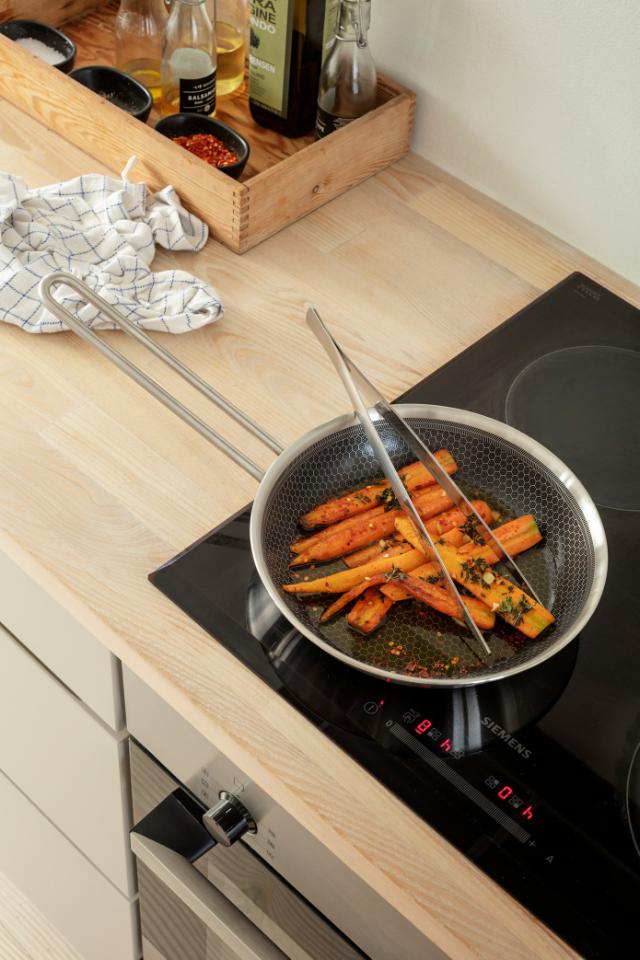
Hybrid stegepander – fordele, forskelle og hvordan du vælger rigtigt
Få styr på det nyeste inden for stegepander, og se, om en hybrid også passer til dit køkken.
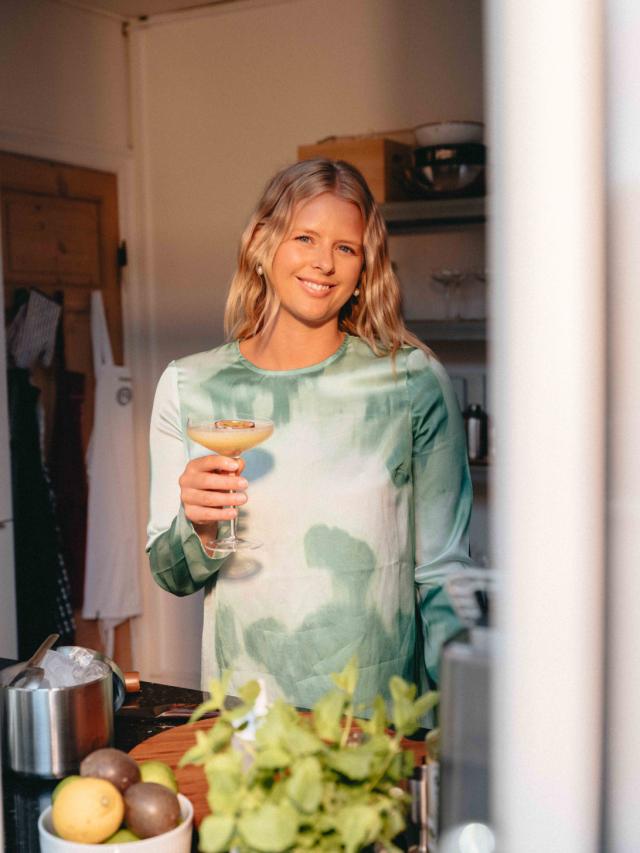
Cocktails med Karen-Elisabeth Gadtoft
Gode venner, lidt at nippe til og noget hjemmelavet i glasset – så er du godt på vej.