
The story behind the iconic fridge carafe
The fridge carafe may appear simple at first glance, but its iconic design is the result of careful thought and consideration.
From the earliest ideas to the finished product, every aspect has been refined, from shape and functionality to the small details that make it effortless to use in everyday life.
Discover the story and design philosophy behind one of Eva Trio’s most iconic classics.
When the fridge carafe was launched in 2007, no one could have predicted the impact its design would later have.
With its distinctive sleeve, it offered a fresh take on the classic water carafe.
Since its launch, more than 2.5 million units have been sold, and the carafe has received several international design awards. Today, it has become an iconic design found in homes around the world.
But how did the idea for the Fridge Carafe come about, and what design principles inspired its creation? Let's take a closer look.

Practical problems
Many great design solutions begin with a specific problem, and the Fridge Carafe is no exception. At the time, it was difficult to find a carafe that would fit neatly into a refrigerator door while also performing well in everyday use.
Many carafes had lids that dripped or required manual opening, while condensation on the outside often left unwanted water rings on the dining table. At the same time, the limited space in a refrigerator door placed clear demands on both the size and shape of the carafe.
These challenges became the starting point for Claus Jensen and Henrik Holbæk of Tools Design as they set out to create the Fridge Carafe. For decades, the design duo has created award-winning products with a focus on combining functionality, aesthetics, and innovation, an approach that would also become central to the development of the Fridge Carafe.

The inspiration behind the shape
The inspiration for the fridge carafe’s shape came from a familiar piece of Danish kitchen history: the milk bottle. Before milk cartons were introduced in the 1970s, glass milk bottles were a staple in most Danish refrigerators. Their distinctive silhouette became the starting point for the carafe’s cylindrical design, while the gently tapered neck ensures a comfortable and natural grip.
The carafe’s wide opening also makes it easy to add ingredients such as lemon, mint, rosemary, or orange to infuse water with extra flavour. Made from borosilicate glass, the carafe is highly resistant to temperature changes, making it suitable for both hot and cold beverages.
The base also carries a special meaning. Its design is inspired by the ripples created when a droplet breaks the surface of the water. A subtle detail that connects the design back to the carafe’s primary function: holding and serving liquids.
Automatic lid and drip-free pouring lip
Once the shape of the carafe had been finalised, the next challenge was the lid. It needed to keep dust and impurities out while preventing odours from the refrigerator from affecting the contents. At the same time, the carafe had to be easy to pour with one hand, leaving the other free to hold a glass.
The solution was the iconic flip-top lid, which opens automatically when the carafe is tilted. When the carafe is upright, the lid closes securely, while ice cubes and fruit remain inside as the water is poured.
With this functionality in place, Claus Jensen and Henrik Holbæk turned their attention to ensuring that both the lid and the pouring lip remained completely drip-free. This requirement led to one of the carafe’s most significant innovations: a 100% drip-free pouring lip. Particular attention was given to both the shape of the pouring lip and the properties of the stainless steel. Together, they ensure that water flows cleanly from the carafe into the glass, rather than running down the side.
Should a drop remain after pouring, the narrow gap between the glass body and the pouring lip is designed to catch it, allowing it to flow back the next time the carafe is used.
A cover with a purpose
The final challenge was ensuring that the carafe would not leave marks on tables and other surfaces. The solution was the signature neoprene cover.
In addition to giving the carafe its distinctive look, the cover helps maintain the temperature of the contents while absorbing condensation, keeping the table dry even on warm days.
It is often the small challenges of everyday life that inspire the best ideas. That was also the starting point for the fridge carafe. Created with the ambition of solving a number of practical problems, it brought together a series of carefully considered features in a single design, one that continues to stand the test of time.


Latest blog posts
The story behind the iconic fridge carafe
The award-winning Fridge Carafe has been sold in excess of 2.5 million units. Read the intriguing story about the innovative design process.

What is Multi 5-ply?
Discover how two layers of stainless steel and three layers of aluminium distribute heat from base to rim and give you precise control on the hob.

Guide: How to choose the right frying pan
At Eva Trio, we have spent almost 50 years refining the frying pan. We know a thing or two about the small details that make a difference.

Guide: Bring colour to the table with Legio Nova Palette
Legio Nova Palette introduces seven carefully balanced colours that make it easy to add the right touch of personality to any table setting.
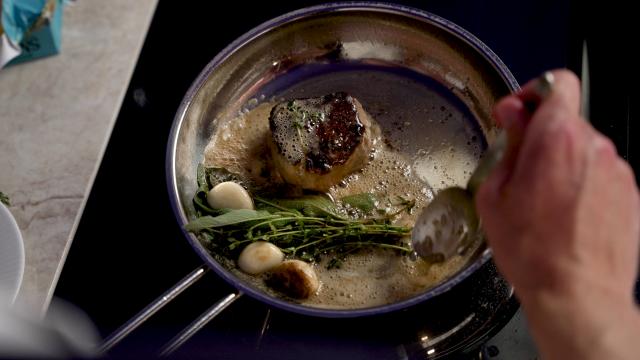
The secret to cooking on steel
Mastering a stainless-steel pan isn’t as hard as people think.

In partnership with Denmark’s National Culinary Team
Together with the Danish Gastronomic Union, we give talent the conditions to develop, perform and inspire on the international stage.
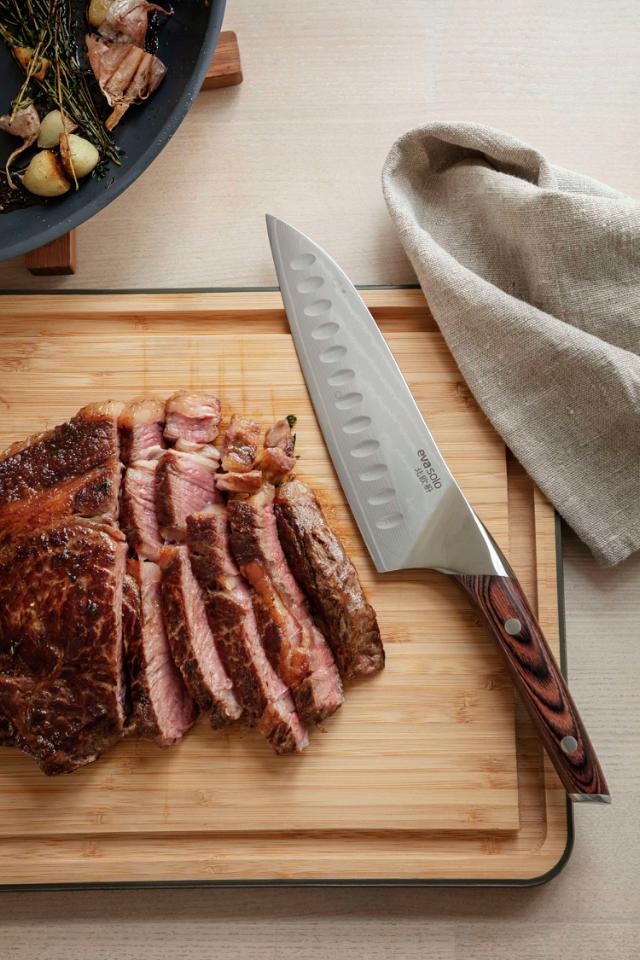
Japanese craftsmanship meets Danish design
Chop, slice, cut — and let a good knife do the work.
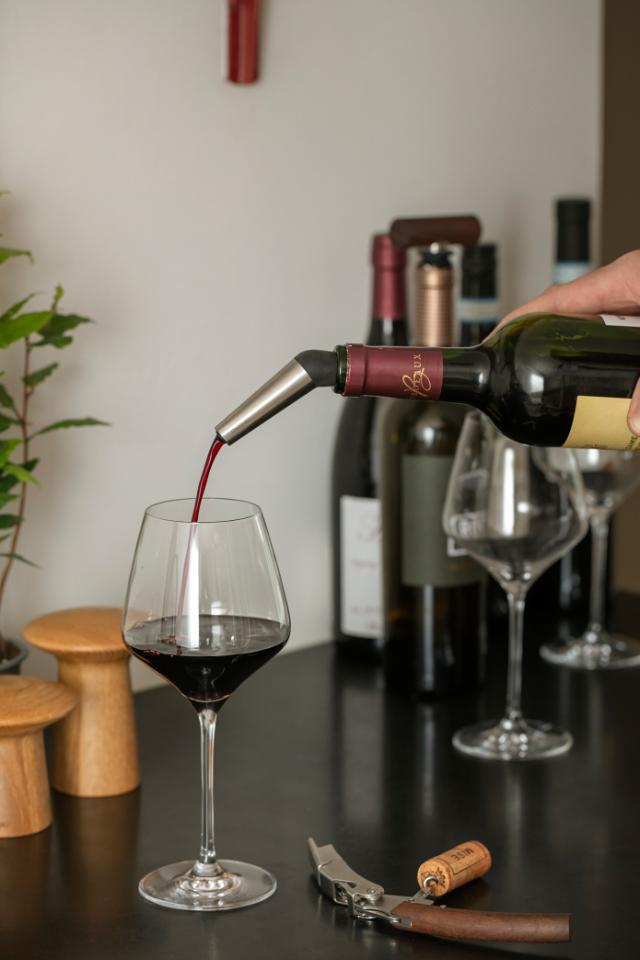
Bring out the best in your wine
You’ll quickly notice how the wine from the Wine Decanter feels more open, rounded, and smooth – in both aroma and flavour.
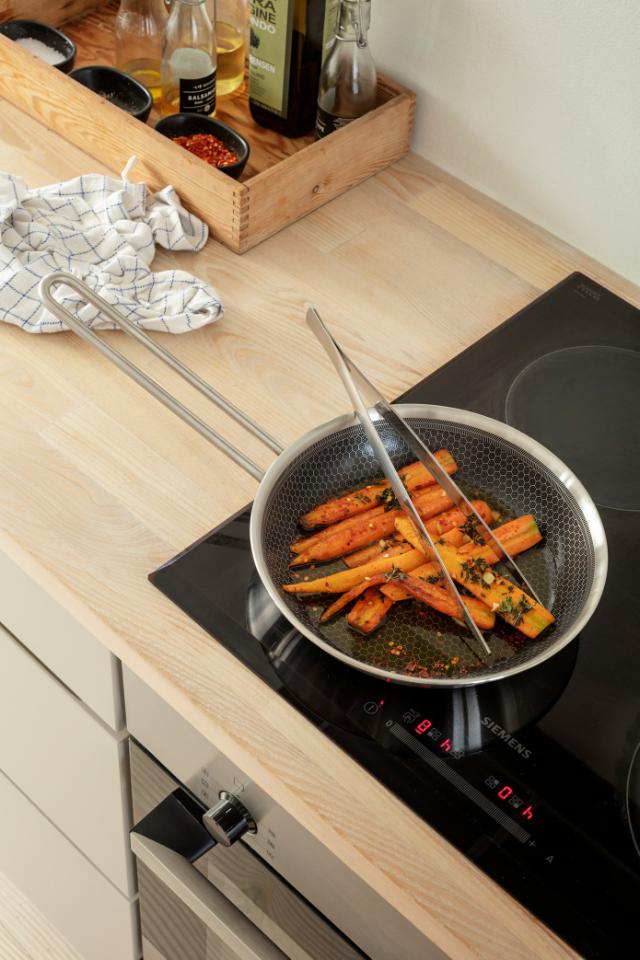
Hybrid frying pans – advantages, differences, and how to choose the right one
Discover the latest in frying pan technology and find out if a hybrid is right for your kitchen.
Cocktails with Karen-Elisabeth Gadtoft
Good friends, a few snacks, and something homemade in the glass – that’s all you really need